September 22, 2026
In modern homes and buildings, Heating, Ventilation, and Air Conditioning (HVAC) systems are essential for comfort and energy efficiency. Despite their importance, regular maintenance and proper HVAC service are often overlooked. This article delves into why proper HVAC service is not just about immediate performance, but about significant financial savings in the long run. By understanding the multifaceted benefits of routine HVAC maintenance, one can make informed decisions that contribute to long-term prosperity. From energy efficiency to improved air quality and prolonged equipment lifespan, the advantages of maintaining HVAC systems are numerous and impactful.
Enhancing Energy Efficiency
Regular Maintenance Reduces Energy Consumption
One of the primary benefits of regular HVAC service is the reduction in energy consumption. Through consistent check-ups and tune-ups, systems are optimized to operate at peak efficiency. When HVAC systems are neglected, they tend to overwork and consume more energy, leading to increased utility bills. A well-maintained system ensures that every component is functioning correctly, reducing unnecessary energy expenditure. Moreover, investing in regular check-ups today saves on substantial future costs incurred from inefficient energy use.
Impact of Clean Filters and Ductwork
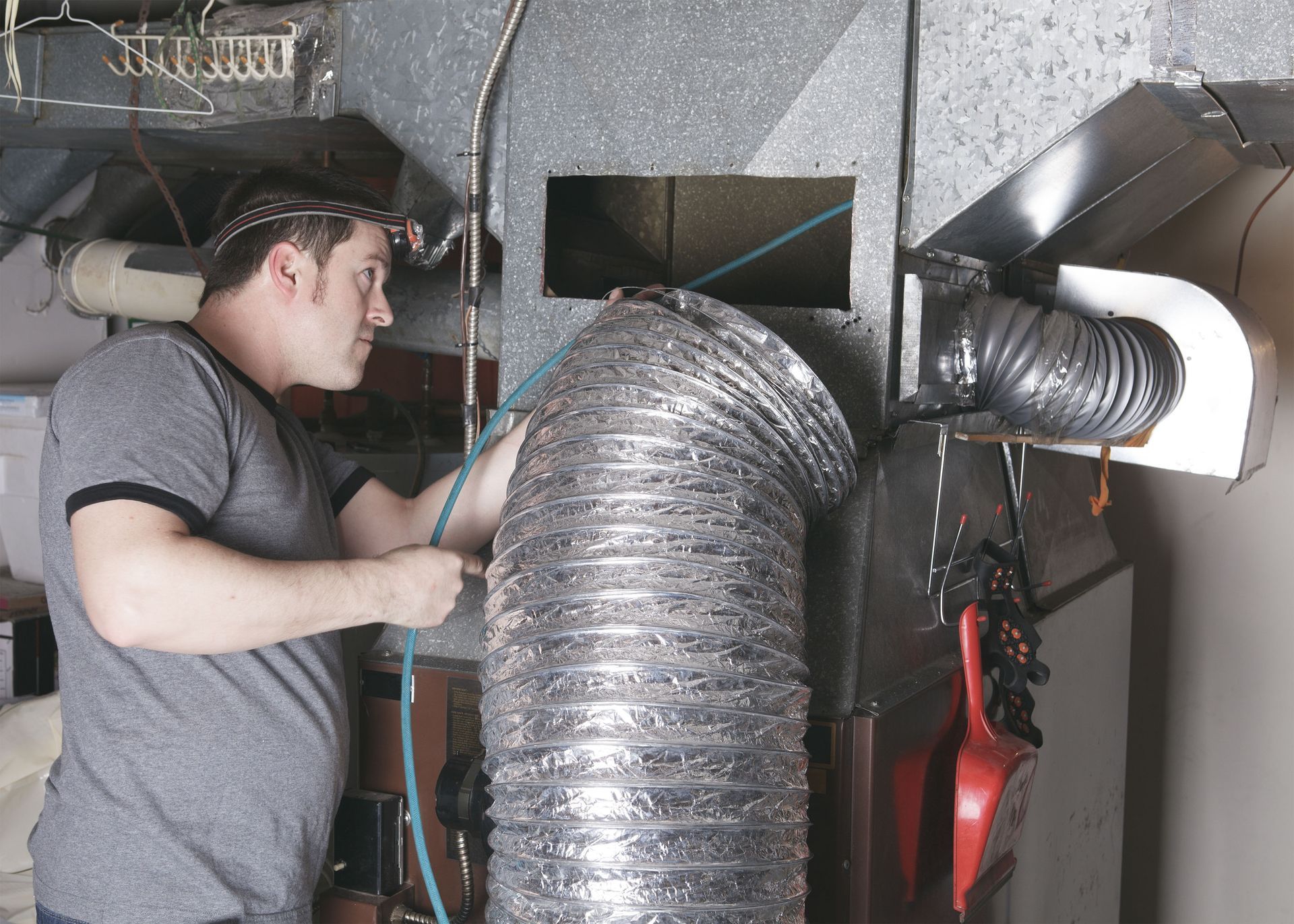
Clean filters and ductwork are central to the efficient operation of HVAC systems. When filters become clogged with debris and dust, systems work harder to maintain desired temperatures, thus consuming more energy. Regular cleaning and replacement of filters, along with proper duct maintenance, ensure that systems are not overburdened. According to This Old House, HVAC ducts can boost efficiency by up to 20% if they're properly sealed. This significant improvement in efficiency translates directly into reduced energy bills and operational costs.
Optimizing System Settings for Efficiency
Optimizing system settings is often an overlooked aspect of HVAC maintenance that can lead to substantial energy savings. Ensuring that thermostats are programmed according to usage patterns makes systems more efficient. Advanced features in modern thermostats allow for precise control, reducing wasted energy during non-usage periods. Calibration and adjustments to system settings by professionals can result in noticeable reductions in energy consumption. Furthermore, these optimizations contribute to enhanced comfort levels while minimizing environmental impact.
Identifying Energy Drainage Issues Early
Routine HVAC service helps in identifying potential energy drainage issues before they become significant problems. Energy leaks, such as those caused by faulty ductwork or improper seals, can lead to increased utility costs. Early detection and rectification of such issues minimize energy wastage and ensure system integrity. Professional assessments are invaluable in pinpointing these hidden inefficiencies. By addressing these problems promptly, the overall efficiency and performance of HVAC systems are significantly improved.
Prolonging Equipment Lifespan
Effectiveness of Routine Inspections
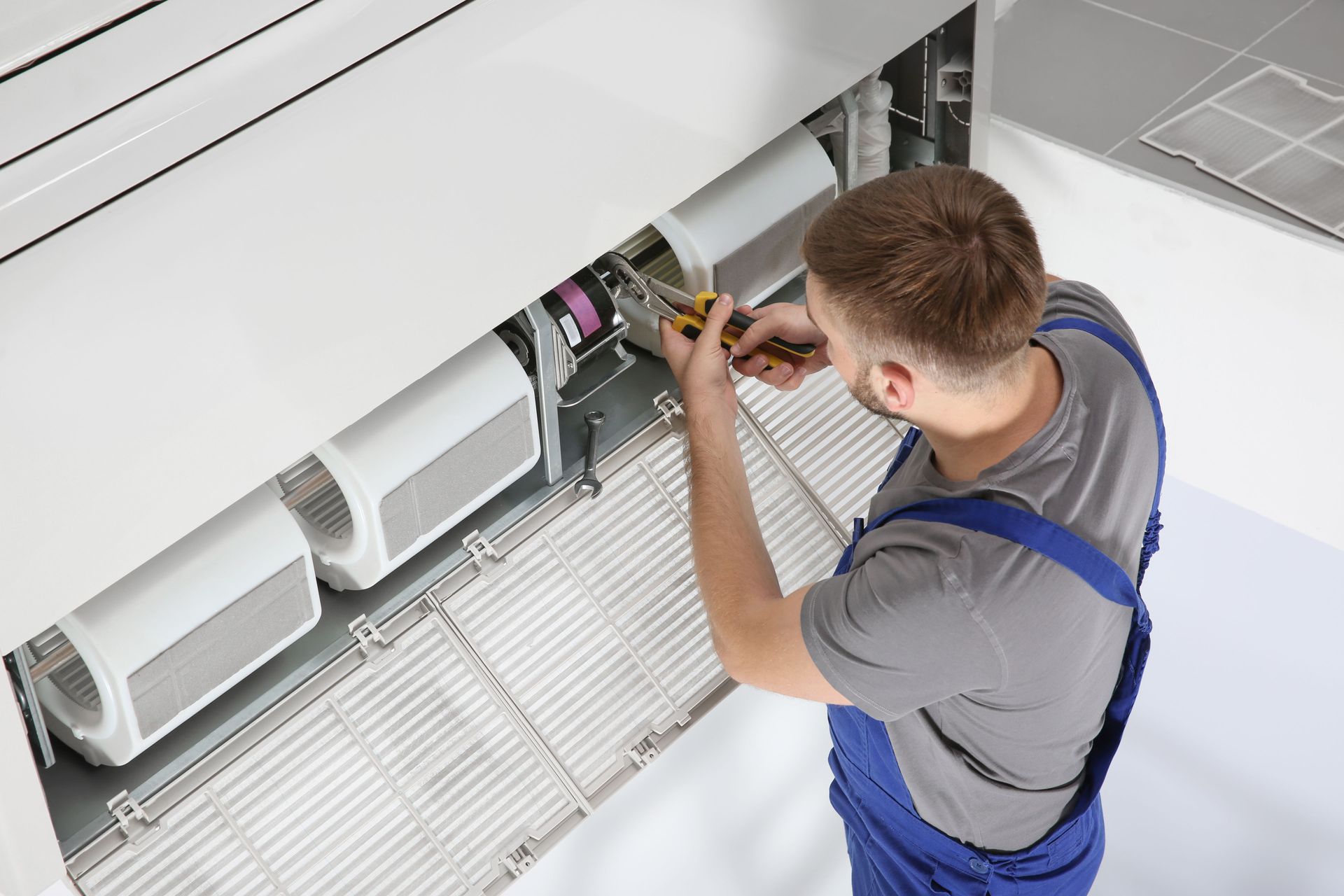
Routine inspections by qualified technicians are pivotal in maximizing the lifespan of HVAC equipment. Through regular check-ups, potential issues are detected early, preventing minor problems from escalating into major repairs. Inspections provide insights into the current state of equipment, helping to manage wear and tear effectively. By addressing these maintenance needs, property owners can significantly extend the operational life of their HVAC systems. Consequently, the cost of ownership is reduced, making regular inspections a wise financial decision.
Preventative Care Versus Costly Replacements
Preventative care for HVAC systems is a proactive approach that saves money by avoiding costly replacements. By maintaining components in optimal condition, the risk of untimely breakdowns is minimized. Preventative maintenance includes cleaning, lubrication, and component replacements, ensuring the system functions smoothly. The cost of regular maintenance is substantially lower compared to the expenses associated with replacing an entire system. This approach not only preserves the equipment's longevity but also secures a stable and predictable budget for HVAC care.
Addressing Wear and Tear Before It Worsens
HVAC systems experience wear and tear due to continuous operation, which can lead to inefficiencies if not attended to. Regular maintenance addresses these issues by repairing or replacing worn-out parts before they impact overall performance. This timely intervention prevents further damage to other system components, sustaining reliability and efficiency. Moreover, keeping equipment in peak condition ensures maximum comfort and efficiency in households and businesses. Investing in professional HVAC service is a cost-effective strategy for minimizing the impact of wear and tear on system functionality.
Maximizing System Output With Regular Upkeep
Regular maintenance maximizes the output and efficacy of HVAC systems. Well-maintained systems can meet temperature demands consistently, reducing the need to operate at full capacity excessively. By ensuring components are clean and functioning properly, systems can run smoothly and efficiently. This not only enhances the comfort of occupants but also contributes to lowering energy consumption. Consequently, regular upkeep is a strategic method of maintaining a high standard of performance while controlling operational costs.
Maintaining Manufacturer Warranties
Maintaining manufacturer warranties is another significant advantage of regular HVAC service. Many warranties require proof of regular maintenance to remain valid. Neglecting this aspect can result in the loss of warranty coverage, leading to additional costs in the event of major repairs or replacements. Ensuring compliance with warranty conditions protects against unforeseen expenses. Routine check-ups, therefore, provide dual benefits of system efficiency and financial protection.
Improving Indoor Air Quality
Benefits of Regular Duct Cleaning
Regular duct cleaning is essential for healthy indoor air quality and efficient HVAC operation. Over time, dust, allergens, and debris accumulate in ductwork, which can lead to respiratory issues and allergies among occupants. By cleaning ducts, HVAC systems can distribute cleaner air throughout living spaces. This not only contributes to a healthier environment but also enhances system performance by reducing stress on components. Furthermore, cleaner ducts prevent the regrowth of contaminants, ensuring long-term air quality improvements.
Importance of Balancing Humidity Levels
Balancing humidity levels is another critical aspect of HVAC maintenance that affects indoor air quality. Excessive humidity can lead to mold growth, while low humidity levels cause dryness and discomfort. Regular servicing ensures that humidity levels are maintained within optimal ranges for health and comfort. This includes checking and maintaining the humidity control settings of HVAC systems. Balanced humidity also protects furniture and structural elements from deterioration, furthering the benefits of regular maintenance.
Reducing Allergens and Pollutants
Routine maintenance of HVAC systems is instrumental in reducing allergens and pollutants in the home. Through regular inspections and filter replacements, airborne allergens such as pollen, dust, and mites are minimized. This leads to improved health outcomes for residents, particularly those with asthma or allergies. Ensuring that ducts and components are clean prevents the recycling of contaminants within living environments. Thus, committed HVAC care plays a vital role in creating sanitary indoor spaces free from health hazards.
Ensuring Safe and Healthy Airflow
Safe and healthy airflow is a hallmark of well-maintained HVAC systems. Effective airflow management begins with ensuring that systems are clean and properly configured. Regular maintenance addresses any discrepancies in airflow that could impact system performance and occupant comfort. Optimized airflow not only prevents overexertion of HVAC systems but also ensures that conditioned air is delivered evenly across spaces. Therefore, routine service inspections are fundamental in promoting safety and health while extending system longevity.
Proper HVAC service goes beyond mere functionality. By investing in regular maintenance, homeowners and businesses can significantly cut costs, both in energy bills and in extending the lifespan of systems. These savings, coupled with improved air quality and system reliability, highlight the essential nature of professional maintenance as a key strategy in financial and environmental responsibility. With a clear understanding of the benefits of regular check-ups and maintenance, stakeholders can make informed decisions that support their financial goals and the sustainability of their properties. Ultimately, prioritizing HVAC service is a wise and impactful step toward achieving long-term comfort, savings, and ecological stewardship. Contact Hometown Heating and Air Conditioning today to schedule your comprehensive maintenance and secure your system's efficiency.