June 22, 2026
Maintaining a functional HVAC system is vital for ensuring a consistent and comfortable home environment throughout the changing seasons. Despite its importance, many homeowners frequently overlook subtle signs of system distress, leading to unnecessary inefficiencies and skyrocketing utility costs. By understanding and addressing these commonly ignored issues, you can significantly enhance your system’s overall performance and longevity. Most inefficient systems are the result of neglecting minor components that eventually compromise the entire unit's functionality. Working with professional HVAC companies can help you identify these hidden problems before they evolve into expensive emergency repairs.
1. Issues Affecting System Airflow
1.1. Obstructed Vents and Dirty Filters
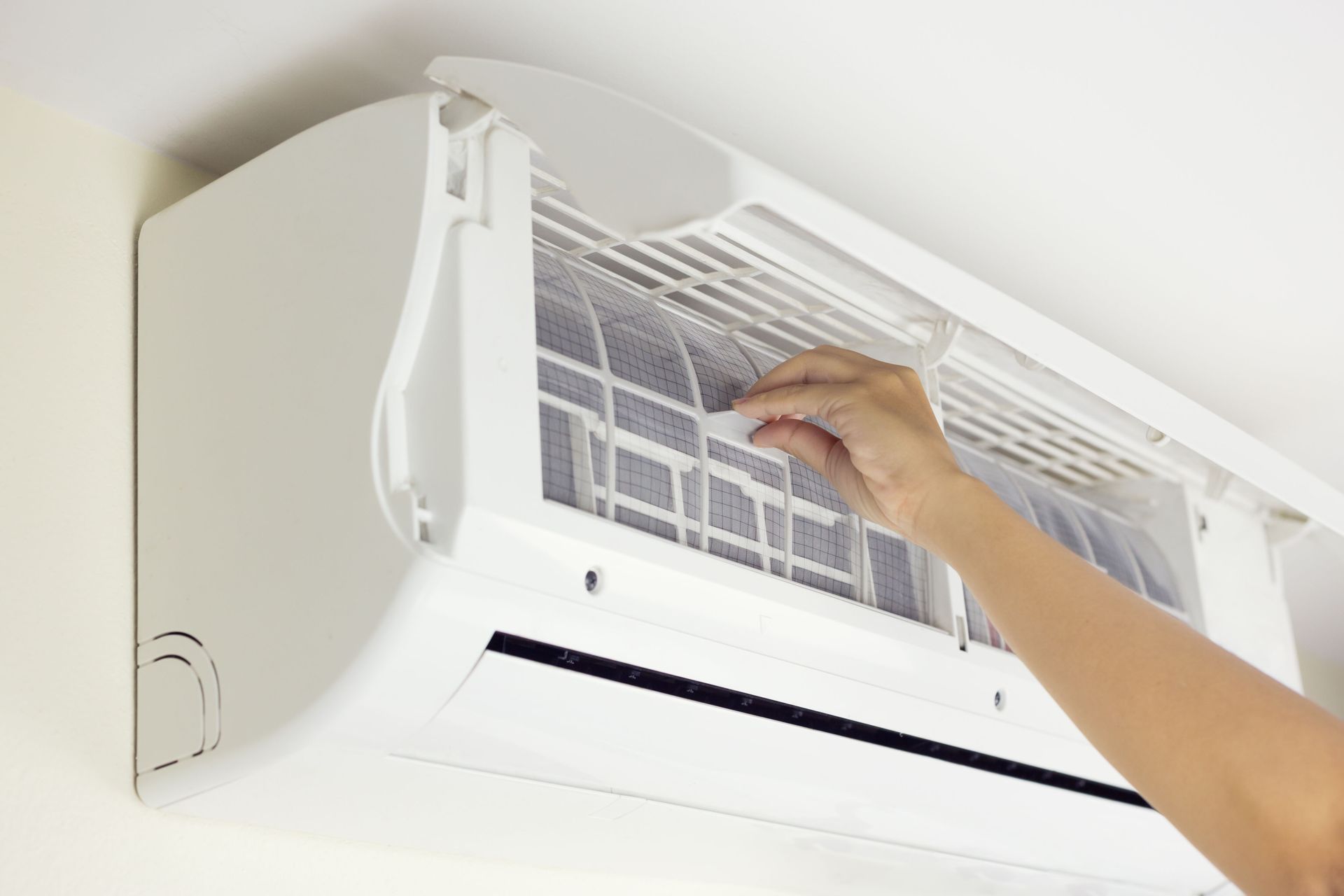
Many homeowners inadvertently block their supply or return vents with furniture, heavy curtains, or decorative rugs, which severely restricts the natural flow of air. This lack of circulation causes the system to work much harder than necessary to meet the temperature settings, leading to premature wear on the blower motor. Similarly, dirty air filters are a primary culprit for restricted airflow and reduced indoor air quality. As dust and debris accumulate on the filter medium, the system struggles to pull in enough air, which can eventually cause the evaporator coils to freeze. Experienced HVAC companies recommend checking filters monthly and ensuring all registers remain completely unobstructed for optimal efficiency.
1.2. Leaking Ducts and Fan Malfunctions
Leaks within the ductwork can lead to a substantial loss of conditioned air, often depositing expensive heating or cooling into attics or crawlspaces instead of living areas. When ducts are not properly sealed, the system must run longer cycles to compensate for the loss, which drives up energy consumption. Beyond the ducts, the internal fans responsible for moving air can suffer from bent blades, worn-out belts, or failing motors. These mechanical issues often go unnoticed until the temperature in the home becomes noticeably inconsistent. Regular inspections of the entire distribution system are essential for maintaining a high level of comfort and operational efficiency.
2. Thermostat and Calibration Errors
2.1. Inaccurate Settings and Efficiency Standards
Improper thermostat settings are a leading cause of wasted energy and decreased comfort in modern households. Homeowners often set their systems to extreme temperatures in an attempt to cool or heat a room faster, which only results in unnecessary strain on the equipment. Understanding how your system's efficiency relates to its cooling capacity is a critical part of smart home management. According to HomeGuide, HVAC systems feature a Seasonal Energy Efficiency Ratio (SEER) rating between 13 and 26, depending on the model and brand. Top-tier HVAC companies often emphasize that maintaining moderate, steady settings is the best way to capitalize on these high SEER ratings and lower your monthly bills.
2.2. Calibration, Battery, and Placement Issues
A thermostat that is not correctly calibrated will provide inaccurate temperature readings, causing the system to cycle on and off more frequently than it should. This "short-cycling" not only wastes power but also prevents the system from properly dehumidifying the air during the summer months. Additionally, the physical placement of the thermostat plays a major role in its accuracy; units placed in direct sunlight or near drafty windows will misread the actual temperature of the home. Even simple issues like low batteries in a digital interface can cause the system to behave erratically or shut down entirely. Upgrading to a modern, programmable model can eliminate many of these common user errors and provide more precise control over your indoor climate.
3. Refrigerant Leaks and System Performance
3.1. Identifying Common Leak Symptoms
Refrigerant is the lifeblood of any cooling system, and even a small leak can have a devastating impact on its performance. Common symptoms of a leak include a noticeable decline in cooling capacity, hissing or bubbling noises near the refrigerant lines, and the presence of ice on the indoor evaporator coils. When refrigerant levels are low, the compressor is forced to work under extreme pressure, which can lead to a total mechanical failure if not addressed quickly. Homeowners should keep a close eye on these signs and contact local HVAC companies for a professional pressure test and leak repair. Promptly fixing these leaks ensures the system operates at its peak capacity while preventing further internal damage.
3.2. Environmental Impact and Repair Realities
Beyond performance issues, refrigerant leaks pose a significant threat to the environment, especially in older systems that utilize R-22. These chemical refrigerants can contribute to ozone depletion and global warming if they are allowed to escape into the atmosphere. The causes of these leaks are varied, ranging from simple vibration wear to chemical corrosion within the copper coils. Because refrigerant handling requires specialized tools and certifications, it is never a task that should be attempted by a homeowner. Investing in professional repairs not only protects the environment but also safeguards your system's warranty and long-term viability.
4. The Cost of Neglecting Annual Maintenance
4.1. Efficiency Retention and Early Detection
Skipping annual maintenance is one of the most common mistakes homeowners make, often assuming that a running system is a healthy system. However, routine maintenance is specifically designed to catch minor issues like loose electrical connections or slightly worn belts before they cause a total breakdown. During a standard tune-up, technicians clean the various coils and moving parts, which restores the system's ability to transfer heat effectively. Reputable HVAC companies will provide a comprehensive checklist that ensures every component is optimized for the upcoming season. This proactive approach is the most effective way to retain the original efficiency of the unit for as long as possible.
4.2. Longevity and Long-Term Savings
A well-maintained HVAC system can last significantly longer than one that is neglected, often reaching the upper end of its expected fifteen-to-twenty-year lifespan. By reducing the friction and strain on mechanical parts through regular lubrication and cleaning, you prevent the premature aging of the compressor and blower motor. While there is a small cost associated with annual service visits, the long-term savings in energy bills and avoided repairs far outweigh the initial investment. Furthermore, many manufacturers require proof of regular maintenance to honor warranty claims for major parts. Prioritizing these annual check-ups is a simple strategy that provides peace of mind and financial protection for your home’s most expensive appliance.
5. Electrical System Vulnerabilities
5.1. Tripped Breakers and Faulty Wiring
Electrical issues within an HVAC system can be difficult to diagnose, but often manifest as frequently tripped breakers or intermittent power loss. If your system is constantly tripping the circuit breaker, it is likely drawing too much amperage due to a failing component or a short circuit. Faulty or frayed wiring is another serious concern, as it can lead to unreliable operation and even pose a significant fire risk to the property. Many HVAC companies suggest that homeowners have their electrical connections tightened and inspected at least once a year to prevent these hazards. Ensuring that all electrical components are in good condition is vital for both the safety of your family and the reliability of the system.
Taking a proactive approach to HVAC maintenance is the most effective way to ensure your home remains a sanctuary of comfort regardless of the weather outside. By staying vigilant against common issues like restricted airflow, thermostat errors, and refrigerant leaks, you can avoid the stress of unexpected system failures. Remember that minor adjustments made today can prevent the need for a full system replacement tomorrow. Investing in the health of your heating and cooling equipment pays dividends in the form of lower energy costs and a longer equipment lifespan. Developing a partnership with a trusted service provider will empower you to maintain a high-performing system for many years to come. For more information, contact Hometown Heating and Air Conditioning.