July 21, 2026
HVAC systems are integral to maintaining a comfortable indoor environment, regardless of the external weather conditions. Their ability to control temperature, humidity, and air quality makes them indispensable in both residential and commercial settings. However, to operate efficiently throughout the year, HVAC systems require regular maintenance. Routine HVAC service not only ensures optimal performance but also prevents unexpected breakdowns and major repairs. Let's explore the importance of regular HVAC service in ensuring comfort, cost savings, and health benefits.
How HVAC Systems Work
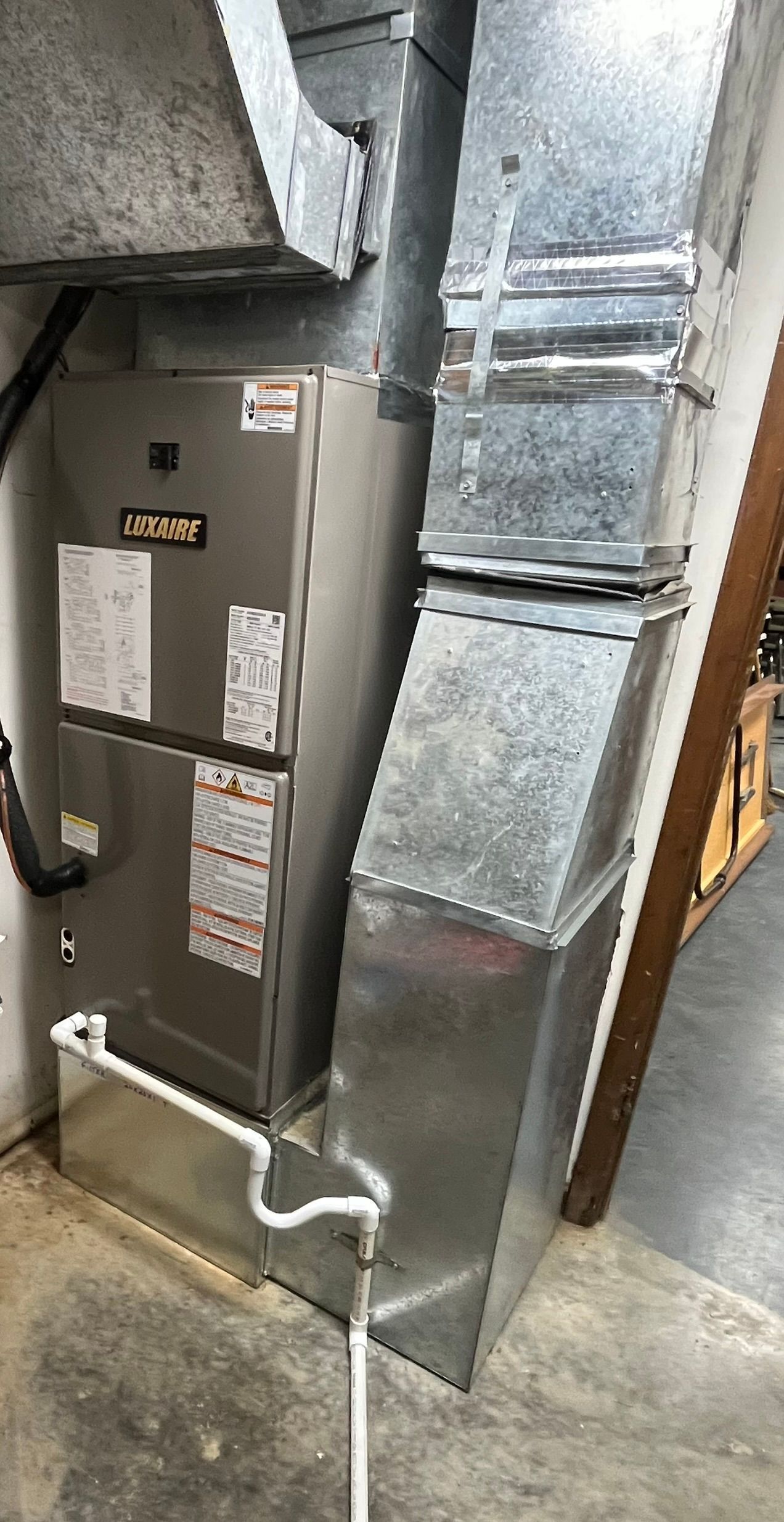
HVAC systems function by moving air through the space to either heat or cool it as necessary. The system uses a combination of energy sources, including gas or electricity, to generate heat through the furnace or cool air through air conditioning units. Air ducts distribute this air throughout the building, and return ducts bring cooler air back to the system, conserving energy. The system's thermostat governs this operation, adjusting the settings based on the interior climate needs. Understanding these functions underscores the complexity and importance of regular HVAC service.
The Role of HVAC in Indoor Air Quality
Maintaining indoor air quality is crucial for health, comfort, and wellness, and HVAC systems play an essential role in this. They filter out pollutants, allergens, and contaminants, creating a safe and clean air environment. Special filters within the system capture dust and particles, while air purifiers or built-in UV systems disinfect and eliminate germs. Additionally, HVAC systems regulate humidity levels, preventing air from becoming too dry or too humid. Routine cleaning and filter replacements are pivotal in ensuring these benefits, maintaining both air quality and system effectiveness.
Optimal Airflow
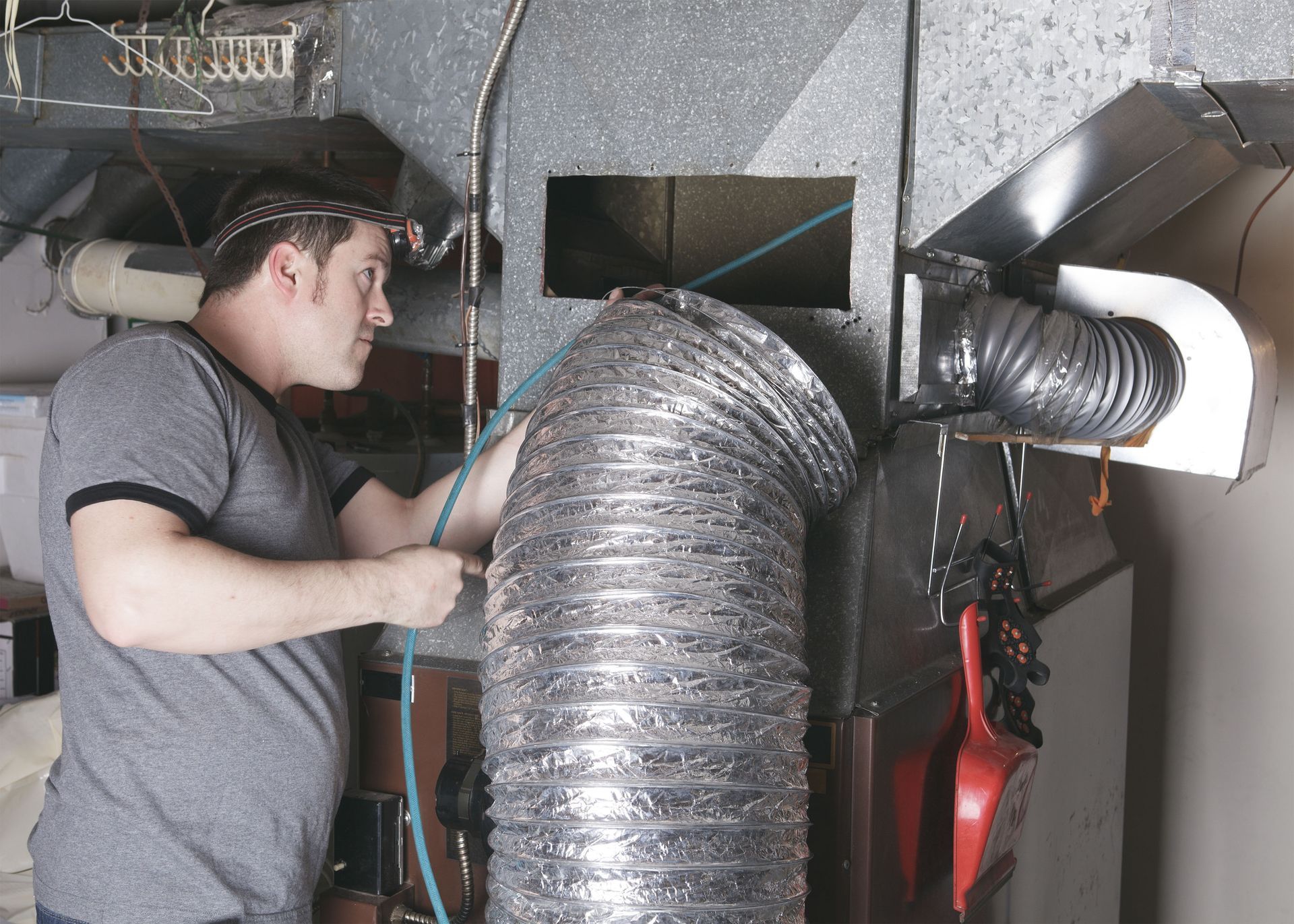
Regular maintenance is essential for sustaining efficient airflow within HVAC systems. Over time, dust and debris can obstruct air filters, reducing airflow and forcing the system to work harder. This can lead to increased energy consumption and higher utility bills. By routinely cleaning or replacing filters, optimal airflow is maintained, ensuring the system operates at peak performance. Moreover, regular inspections can uncover any blockages in the ductwork, preventing issues such as uneven heating or cooling.
Proper Refrigerant Levels
Refrigerant levels play a critical role in the cooling efficiency of HVAC systems. If refrigerant levels are too low, the system will struggle to cool the air, leading to longer cooling times and heightened energy usage. Regular maintenance involves checking these levels and ensuring there are no leaks in the system that could lead to a loss of refrigerant. Keeping refrigerant levels within the recommended range not only preserves efficiency but also prevents potential damage to the compressor, a vital part of the cooling circuit.
Lubrication and Its Effects on Efficiency
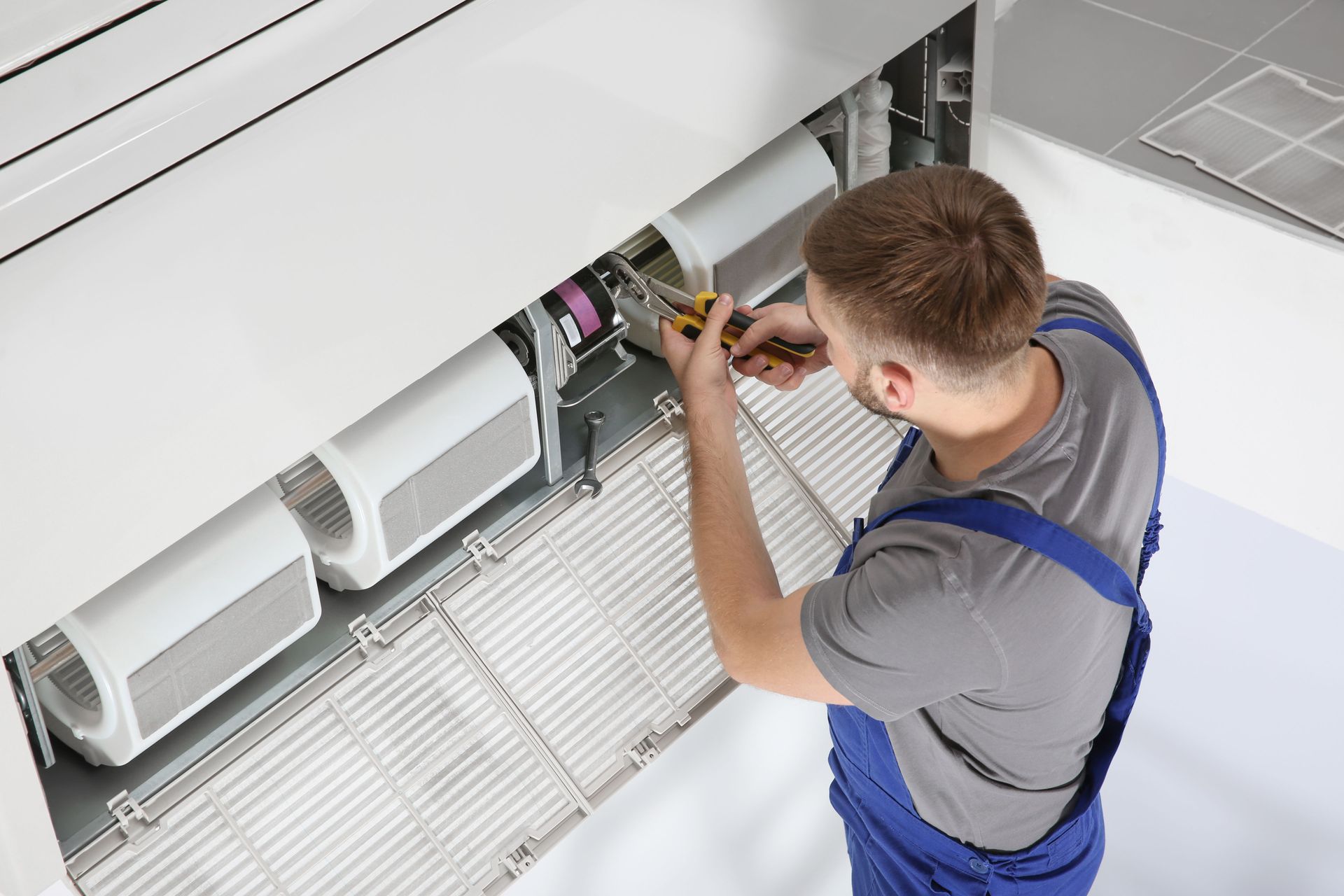
Lubrication is a key aspect of HVAC maintenance that affects the operation of moving components like motors and fans. Without regular lubrication, these parts can experience increased friction, leading to wear and tear and decreased operational efficiency. Proper lubrication reduces friction, promoting smoother operation, extending the lifespan of the components, and ensuring energy efficiency. It's a simple yet impactful maintenance task that significantly contributes to the overall performance of the HVAC system, promoting longevity and reliability.
Calibration of Thermostats
Thermostats are central to controlling the heating and cooling cycles of HVAC systems. Maintaining accurate readings through regular calibration ensures the system functions effectively and prevents energy waste. Incorrect thermostat settings can cause the system to run longer than necessary, reducing efficiency and increasing costs. Technicians can recalibrate thermostats during routine maintenance, guaranteeing precise temperature control within the home. Additionally, modern programmable thermostats require software updates, which are handled during service checks.
The Lifespan of Your HVAC System
Regular service plays a crucial role in extending the lifespan of HVAC systems. According to the International Association of Certified Home Inspectors, furnaces commonly last 15 to 25 years, making furnace tune-ups and repairs highly relevant for older homes. By ensuring each component is functioning efficiently, the overall system bears less strain, reducing the likelihood of wear-related breakdowns. Annual or biannual tune-ups manage system health, allowing units to perform effectively throughout their designed lifespan. Considering the high replacement cost of HVAC systems, these check-ups are a worthwhile investment. Prolonging the system lifespan not only maximizes initial investment but also reduces the frequency of replacement purchases.
Airborne Contaminants
HVAC maintenance plays a vital role in reducing airborne contaminants that can affect indoor air quality and health. Filters collect dust, pollen, and other particulates, preventing them from circulating within the indoor environment. Regular filter changes and cleaning are crucial to limiting the buildup of these particles, promoting cleaner air. Moreover, inspections ensure components are functioning correctly, reducing pollutant emissions from malfunctioning units. Cleaner air improves respiratory health and creates a more comfortable living environment for occupants.
Humidity Control
Efficient HVAC systems maintain balanced humidity levels, essential for comfort and health. Inadequate humidity control can result in dry air that affects skin and respiratory health or excessive moisture that fosters mold growth. Regular maintenance ensures that dehumidifiers and humidifiers are working correctly, providing optimal indoor conditions. Technicians can assess and adjust humidity settings during service visits, ensuring that levels are suitable for the environment's specific needs. Proper humidity control also preserves furniture, fabrics, and building materials, preventing damage from moisture-related issues.
Preparation for Winter
Seasonal maintenance is crucial in preparing HVAC systems for changing weather conditions, especially before the onset of winter. Heating system checks ensure that furnaces and boilers are functioning correctly before the demand increases. Technicians inspect key components such as thermostats, heat exchangers, and burners to prevent malfunctions during the colder months. It's essential to address issues like pilot light disruptions or carbon monoxide leaks to ensure safety and reliability. Regular tune-ups help maximize energy efficiency, keeping heating costs in control during the peak usage season.
Summer Cooling System Readiness
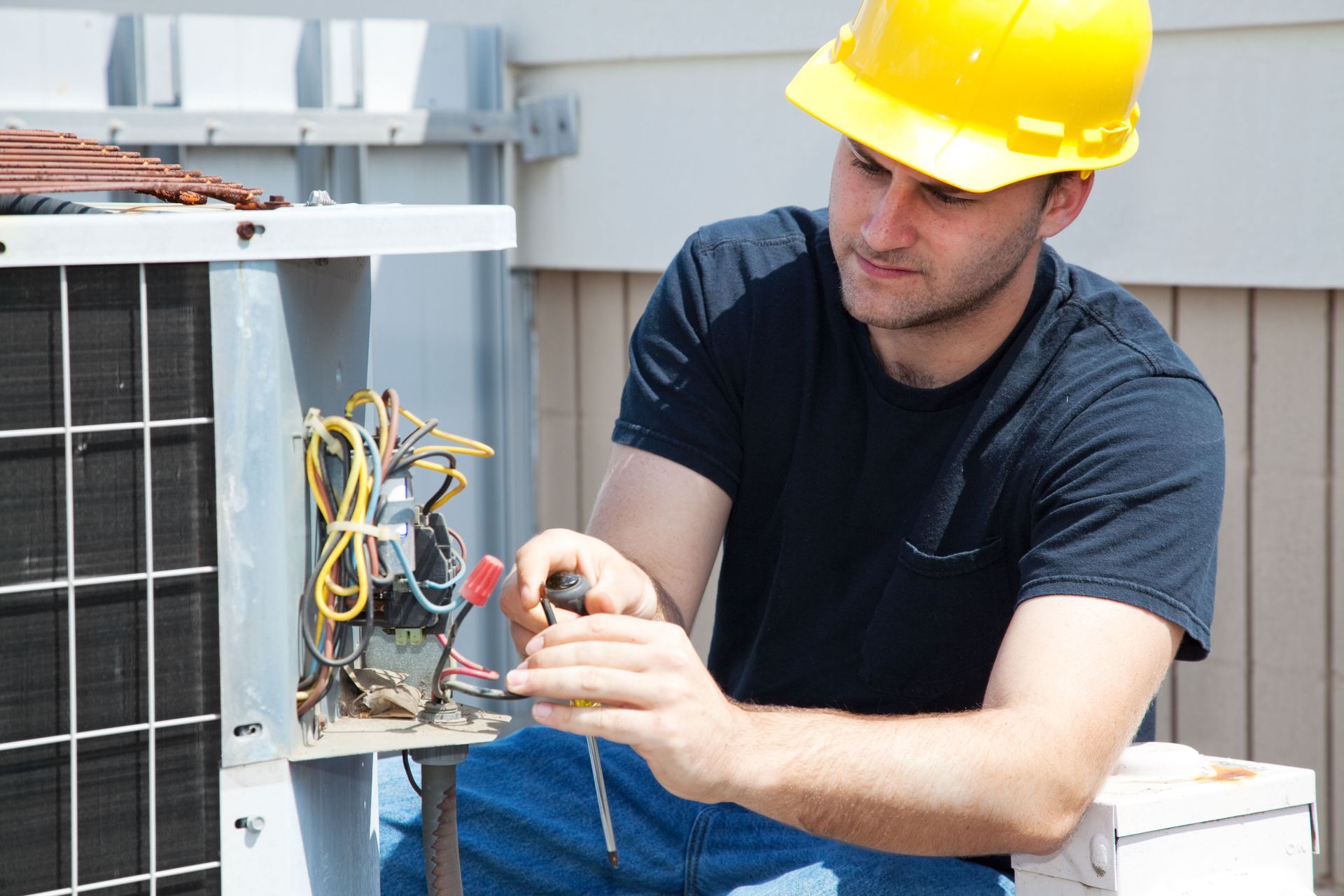
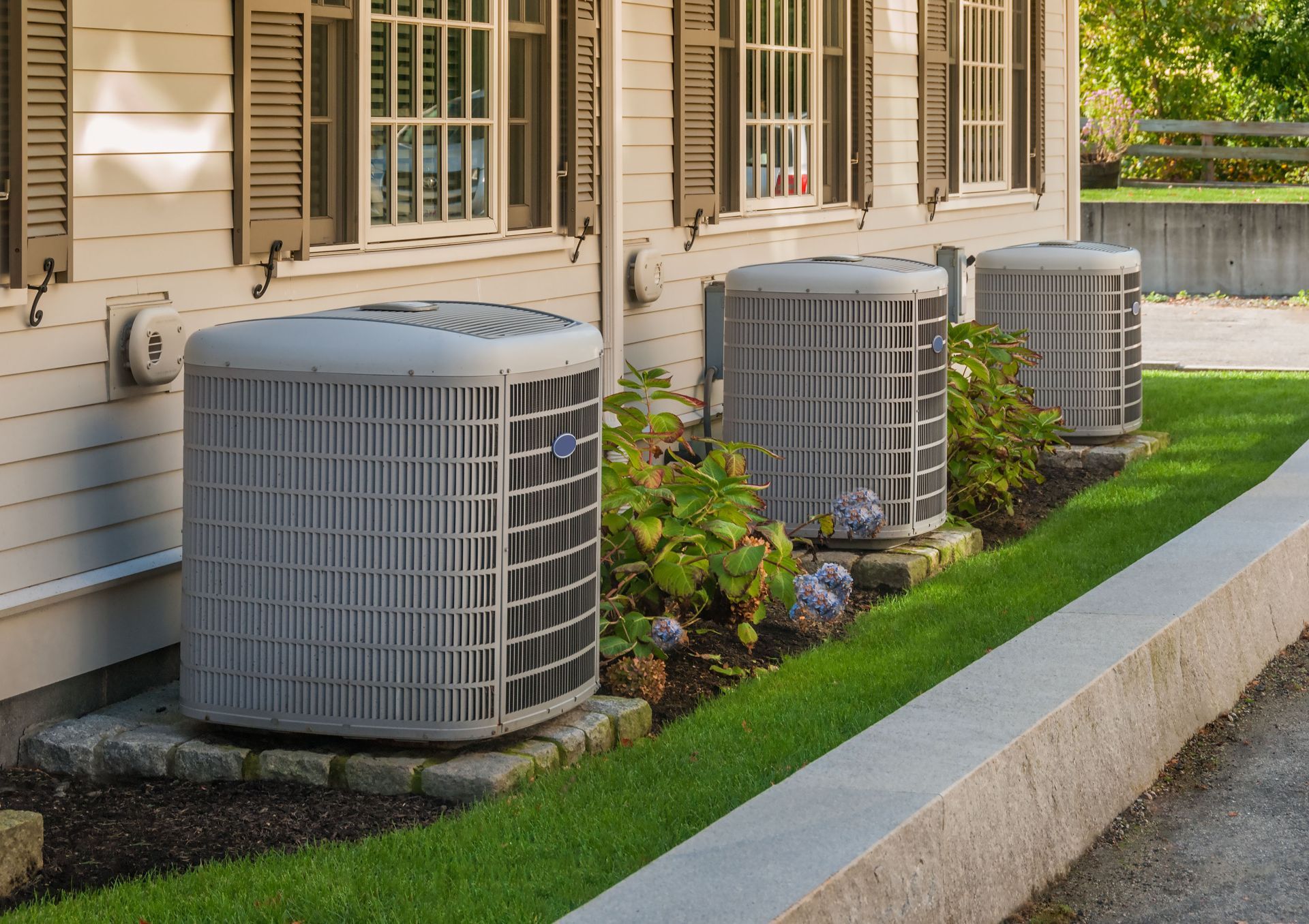
As summer approaches, ensuring the cooling system's readiness is vital for comfort and energy efficiency. Air conditioners, heat pumps, and fans should be evaluated for potential issues such as refrigerant levels, electrical connections, and filter conditions. Proper maintenance prevents breakdowns during hot weather, when systems are under significant strain to meet cooling demands. Summer readiness also involves cleaning outdoor units and removing debris that could impair airflow or cause overheating. Scheduling maintenance ensures optimal performance and cost savings during the hottest months.
Spring and Fall Maintenance
The transition seasons of spring and fall are ideal times to perform comprehensive maintenance, addressing both the heating and cooling components of the HVAC system. Spring maintenance prepares air conditioners for the summer, while fall focuses on the heating system to face winter's cold. These checks include tasks such as testing system controls, lubricating moving parts, and evaluating airflow throughout the duct network. Early detection of issues prevents unexpected problems and promotes smooth functioning throughout transitional weather changes. Such proactive measures ensure year-round comfort and efficiency.
Regular HVAC maintenance is far more than just a preventive chore; it's a critical investment in your property's efficiency, health, and financial predictability. By staying proactive with seasonal checks during the spring and fall, you effectively extend the lifespan of your equipment and guarantee a safe, comfortable indoor sanctuary no matter what the weather is doing outside. Don't wait for a system failure to remind you of your HVAC's importance; schedule routine service with an HVAC service like Hometown Heating and Air Conditioning to secure year-round comfort and peace of mind.